Let’s talk about something that can make or break your hotel business faster than almost anything else: cleanliness. Not “pretty good” cleanliness or “clean enough” standards—we’re talking about the kind of spotless that makes guests feel comfortable enough to walk barefoot on your carpets and not think twice about it.
In Brisbane’s competitive hospitality market, cleanliness isn’t just important—it’s the absolute baseline expectation that determines whether guests return, write glowing reviews, or leave one-star horror stories that haunt your online reputation forever.
The Brutal Reality of Guest Expectations
Here’s the thing about hotel guests in 2025: they’ve been conditioned by years of hospitality competition to expect perfection. One hair in the bathroom? That’s a negative review. Dusty TV remote? Mentioned in the feedback. Streak on the mirror? They definitely noticed.
Fair? Maybe not. Reality? Absolutely.
Social media and review sites mean every guest is a potential critic with a global audience. One bad cleaning day can generate reviews that affect bookings for months. One consistently excellent cleaning operation can become your most powerful marketing tool—those five-star reviews mentioning immaculate rooms are gold.
Brisbane’s tourism industry is booming, which means competition is fierce. When guests choose between similar hotels at similar prices, cleanliness reviews often tip the decision. You can have the best location, amazing amenities, and friendly staff, but none of that overcomes “the bathroom was gross.”
What Guests Actually Notice (Everything)
Let’s go through what guests scrutinize, because they’re more observant than you might think:
The Bathroom Inspection: Guests perform CSI-level investigations in bathrooms. They check behind toilet bowls, inspect grout lines, look for soap scum in shower corners, and examine faucets for water spots. One visible hair anywhere triggers instant disgust.
Bathrooms need to be pristine, not just clean. There’s a difference, and guests know it.
The Bed Test: Crisp, fresh linens are non-negotiable. Guests check for stains (even old, faded ones), wrinkles that suggest rushed bed-making, and any hint that these sheets might have been used before. They’ll smell the pillows. Yes, really.
The Touch Test: Remote controls, light switches, door handles, phone—guests touch these first and notice if they’re sticky, dusty, or grimy. These high-touch items reveal cleaning thoroughness or lack thereof immediately.
The White Glove Moment: Many guests run fingers along surfaces—headboards, windowsills, desk edges—checking for dust. Finding any confirms their suspicion that your cleaning is superficial.
The Smell Assessment: Guests notice odors immediately. Mustiness, cleaning chemical smell, previous occupant fragrances, or worse—these trigger instant negative reactions. Rooms should smell fresh or neutral, not “scented” or “cleaned.”
The Sneaky Spots: Behind furniture, under beds, inside drawers, behind curtains—guests check these “hidden” areas. Discovery of neglect in one area makes them wonder what else was skipped.
The Check-In Countdown: Turning Rooms Fast Without Cutting Corners
Here’s the hospitality challenge: rooms need to be immaculate, and you have maybe 30-45 minutes between check-out and the next guest arrival during peak periods. That’s not much time to deliver perfection.
This is where systems matter:
The Systematic Approach: Professional commercial cleaning services use standardized procedures that ensure consistency regardless of which team member cleans which room. Every room gets the same thorough treatment in the same order, preventing missed steps.
The Right Products: Hotel cleaning requires commercial-grade products that work quickly and effectively. Bathroom cleaners that dissolve soap scum and hard water deposits fast. Glass cleaners that don’t streak. Disinfectants that kill germs without leaving chemical residues guests can smell.
Brisbane’s hard water makes this particularly challenging—limescale and water spots appear quickly. Products must address this specifically.
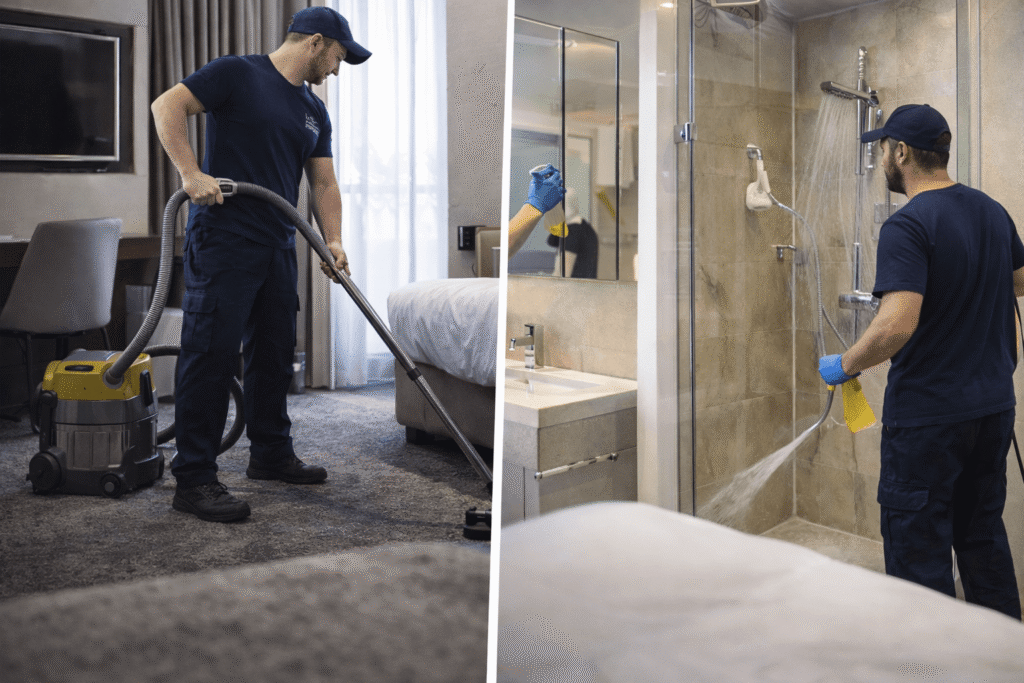
The Equipment Investment: Consumer-grade cleaning tools don’t cut it in professional hospitality. Industrial vacuums with HEPA filtration, commercial steam cleaners, proper floor equipment—this stuff costs thousands but delivers results that match guest expectations.
Steam cleaning services in Brisbane QLD provide chemical-free sanitization that’s perfect for hotels, especially mattress sanitization that guests increasingly expect.
The Training Difference: Hospitality cleaning requires specific skills. Understanding which cleaning method suits which surface, recognizing maintenance issues to report, working efficiently without rushing sloppily—this comes from proper training, not just “here’s a vacuum, good luck.”
The Hidden Areas That Aren’t Actually Hidden
Guests find the areas you think nobody checks. Every single time.
Behind and Under Furniture: Dust bunnies behind the TV? Found. Debris under the bed? Discovered. Coins and receipts wedged behind nightstands? They’ll mention it in the review.
Inside Everything: Drawers, wardrobes, safes, mini-fridges—guests open all of them. If the previous occupant left crumbs in the drawer or the mini-fridge smells funky, your cleaning team should have caught it.
Light Fixtures: Dead bugs in light fixtures are surprisingly common and disgustingly noticeable. Guests see them when lying in bed looking at the ceiling. Not the relaxing evening you promised.
Air Conditioning Vents: Dusty, dirty AC vents suggest poor maintenance and make guests wonder about air quality. These need regular attention, not “whenever someone remembers.”
Bathroom Ceilings: Mold spots on bathroom ceilings might seem minor to staff who see them daily, but they’re alarming to guests who interpret them as serious neglect.
The Deep Clean Schedule: Beyond Daily Turnover
Daily cleaning maintains standards, but true cleanliness requires periodic deep cleaning:
Weekly Deep Cleans: Certain tasks can’t happen in the 30-minute turnover:
- Mattress flipping and sanitization
- Window track cleaning
- Baseboard wiping
- Behind-furniture deep cleaning
- Detailed bathroom grout treatment
- Thorough carpet spot treatment
These happen on a rotation, ensuring every room receives deep attention regularly without disrupting occupancy schedules.
Monthly Projects: Some cleaning happens monthly:
- Window cleaning services in Brisbane QLD for exterior and interior glass
- Carpet deep cleaning for all rooms
- Upholstery shampooing
- Drape and curtain cleaning
- Detailed HVAC vent cleaning
Quarterly Maintenance: Major cleaning projects quarterly:
- Full pressure washing of exterior areas, walkways, and parking
- Lobby and public area deep cleans during low-occupancy periods
- Kitchen and restaurant equipment deep cleaning
- Complete mattress sanitization rotation
This layered approach maintains high standards without impossible daily expectations.
Public Areas: Your First Impression Counts Most
Lobbies, hallways, elevators, and common areas create first impressions and influence overall perceptions:
The Lobby Standard: Your lobby needs to be immaculate 24/7. Glass entry doors spotless, floors gleaming, furniture dust-free, air fresh. This sets expectations for the entire property.
Surface polishing services in Brisbane QLD keep lobby floors and surfaces looking pristine despite constant foot traffic.
Elevator Inspection: Guests scrutinize elevators—mirrors, walls, floors, buttons. Daily detailed cleaning prevents the grime buildup that happens from hundreds of daily touches.
Hallway Standards: Carpets vacuumed daily, walls spot-cleaned, doors wiped, no visible trash or debris. Hallways might see less attention than rooms, but guests notice neglect immediately.
Stairwell Reality: Stairwells often get forgotten, becoming dusty, dim, and dingy. Guests who use stairs (increasingly common for fitness-conscious travelers) notice this neglect and assume your overall standards are similarly lax.
The Restaurant and Food Service Challenge
Hotel restaurants face unique cleaning challenges combining hospitality with health department standards:
Health Code Compliance: Food service areas require specific cleaning protocols that meet health department requirements. This isn’t optional, and non-compliance risks closure.
The Visible Kitchen Trend: Open kitchens are popular but mean kitchen cleanliness is constantly on display. What was once back-of-house is now part of the dining experience.
Between-Service Cleaning: Restaurants need cleaning between meal services, not just at closing. Tables, floors, and high-touch areas require constant attention during operating hours.
The Breakfast Area: Hotel breakfast areas see intense use during short windows. Managing cleaning during service while maintaining sanitation and appearance requires specific strategies.
Professional commercial cleaning services specializing in hospitality understand these unique requirements and regulations.
Staff Areas Matter Too (More Than You Think)
Staff areas—break rooms, locker rooms, back offices—reflect organizational culture. Neglecting these areas sends messages to staff about their value.
Clean, well-maintained staff areas improve morale, reduce turnover, and create pride that translates to better guest service. Staff who feel valued through attention to their spaces provide better attention to guest spaces.
This isn’t just nice—it’s strategic business management.
The Brisbane Humidity Battle
Brisbane’s subtropical climate creates specific hospitality cleaning challenges:
Mold and Mildew: Bathrooms and other humid areas develop mold rapidly. Aggressive ventilation, proper cleaning protocols, and antimicrobial treatments are essential, not optional.
Odor Control: Humidity amplifies odors. Proper ventilation, regular deep cleaning, and odor neutralization (not masking) keep rooms fresh.
Dust and Pollen: Brisbane’s environment generates significant dust and pollen. HEPA-filtered vacuuming captures these allergens rather than redistributing them, important for guest health and comfort.
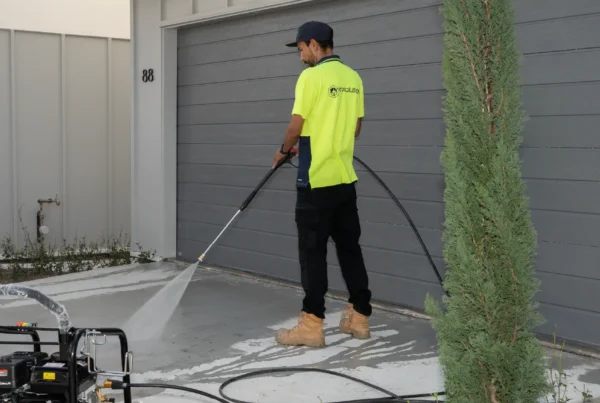
External Maintenance: Building exteriors, pathways, and pool areas develop organic growth quickly in our climate. Regular pressure washing services in Brisbane QLD prevent the dingy appearance that accumulates rapidly.
Pool and Outdoor Areas: Safety Meets Aesthetics
Pool areas combine safety requirements with aesthetic expectations:
Non-Slip Surfaces: Pool surrounds must be clean but never slippery. Algae removal is safety-critical, not just appearance management.
Chemical Balance: Pool water clarity reflects overall property maintenance. Cloudy or dirty pools suggest wider neglect issues in guest minds.
Furniture and Fixtures: Outdoor furniture accumulates Brisbane’s humidity-enhanced dirt and organic matter. Regular cleaning prevents the grimy appearance that suggests poor maintenance.
Landscaping Interaction: Keeping outdoor areas clean while managing leaf litter, grass clippings, and organic debris requires ongoing attention, not just “cleanup when it gets bad.”
Technology Integration: The Modern Cleaning Operation
Modern hotel cleaning operations use technology for efficiency and consistency:
Digital Checklists: Tablets or smartphones ensure cleaners complete every task, providing documentation and accountability.
Inventory Management: Automated supply tracking prevents “we’re out of X” emergencies that compromise cleaning standards.
Quality Auditing: Random room inspections with photographic documentation ensure consistency and identify training needs.
Guest Feedback Integration: Direct feedback about cleanliness issues routes immediately to housekeeping for rapid response, preventing minor issues from becoming major complaints.
The Labor Shortage Reality
Hospitality faces significant staffing challenges affecting cleaning operations:
Retention Strategies: Competitive pay, respectful treatment, clear career paths, and proper equipment make cleaning positions more attractive, improving retention.
Training Investment: Proper training creates pride in work quality and understanding of why standards matter, improving both results and job satisfaction.
Efficiency Through Systems: Well-designed systems and processes make work manageable, preventing the burnout that drives turnover.
When Things Go Wrong: The Recovery Plan
Despite best efforts, issues happen. Response determines whether they become disasters:
Immediate Response: Guest cleanliness complaints require immediate, same-day resolution. Not “we’ll get to it tomorrow”—now.
The Apology with Action: Genuine apology plus tangible compensation (room upgrade, meal credit, etc.) often converts negative experiences into positive reviews about excellent recovery.
Root Cause Analysis: Every complaint should trigger investigation: Was this isolated or systematic? Training issue? Product problem? Process gap? Fix the underlying cause, not just the symptom.
The Cost vs. Quality Balance
Hotel cleaning budgets face constant pressure, but cutting corners costs more than investing properly:
The False Economy: Cheap cleaning services often mean:
- Inadequate staff training
- Poor quality products
- Rushed work that misses details
- High turnover creating inconsistency
These savings disappear quickly when negative reviews impact bookings.
The Investment Perspective: Quality cleaning is marketing. Five-star cleanliness reviews attract guests more effectively than paid advertising. The cost difference between adequate and excellent cleaning is tiny compared to the revenue impact of reputation.
The Boutique vs. Chain Challenge
Independent hotels face unique challenges:
Brand Standard Absence: Chain hotels have corporate standards and auditing. Independent properties must create and maintain their own standards consistently.
Resource Constraints: Smaller properties may lack dedicated housekeeping management, making consistency harder.
The Personality Advantage: Boutique properties can offer personalized attention to detail that chain properties can’t match, turning cleanliness into a differentiator rather than just meeting baseline expectations.
Professional cleaning services in Brisbane provide the expertise and consistency that independent properties need without corporate infrastructure costs.
The Sustainability Expectation
Modern guests increasingly expect environmental responsibility:
Eco-Friendly Products: Chemical-free or plant-based cleaning products meet guest expectations while protecting staff health and guest comfort.
Water Conservation: Brisbane’s water consciousness makes conservation important. Efficient cleaning methods that use minimal water demonstrate environmental commitment.
Waste Reduction: Reusable cleaning cloths, concentrated products reducing packaging, and proper recycling programs align with guest values.
The Certification Advantage: Green certifications like EarthCheck provide marketing benefits while demonstrating genuine sustainability commitment.
Your Competitive Edge Is Hiding in Plain Sight
Brisbane’s hospitality market is competitive, and differentiation is difficult. Location is fixed, pricing is constrained by market conditions, and amenities are easily copied.
But cleanliness? That’s entirely under your control, and it directly impacts every guest review, every repeat booking decision, and every recommendation to friends and family.
The hotels thriving in Brisbane’s competitive market recognize that exceptional cleanliness isn’t an expense—it’s their most effective marketing investment. It’s the foundation that makes everything else work.
You can have the best location, amazing views, and premium amenities, but none of that overcomes “it just wasn’t very clean.” Conversely, being known for exceptional cleanliness attracts guests who value that above almost everything else.
The difference between adequate and excellent hotel cleaning is measured in review stars, occupancy rates, and ultimately revenue. In an industry where reputation is everything, cleanliness isn’t just a department—it’s your brand foundation.
Your guests deserve better than “clean enough.” They expect, and Brisbane’s competitive market demands, genuinely exceptional standards that make your property their first choice, every time.